
5/9 13PM KYOTOGRAPHIE PHOTOBOOK FAIR 2026 TALK EVENT : “The Artist Book as Structure”
At the talk event at KYOTOGRAPHIE PHOTOBOOK FAIR 2026, PHOTOBOOK AS OBJECT / PHOTOBOOK WHO CARES will present a talk.
”The Artist Book as Structure”
Turning photography into a book is never simply a matter of placing images on pages.
How a book opens, how it is handled, how its sequence unfolds, what kind of object it becomes in the hands of the reader — in an artist book, structure is not merely a vessel for the work. It is part of the thinking that brings the work into being.
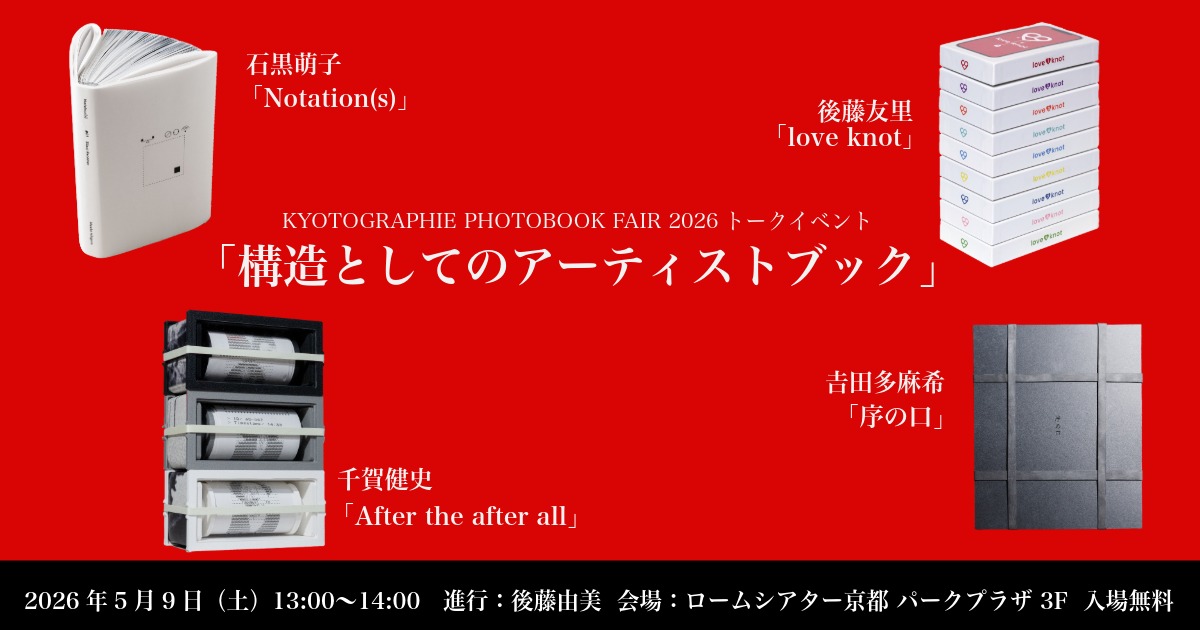
This talk brings together four artist books that have emerged from very different concerns, each exploring what it means to give photographic work a form through the book.
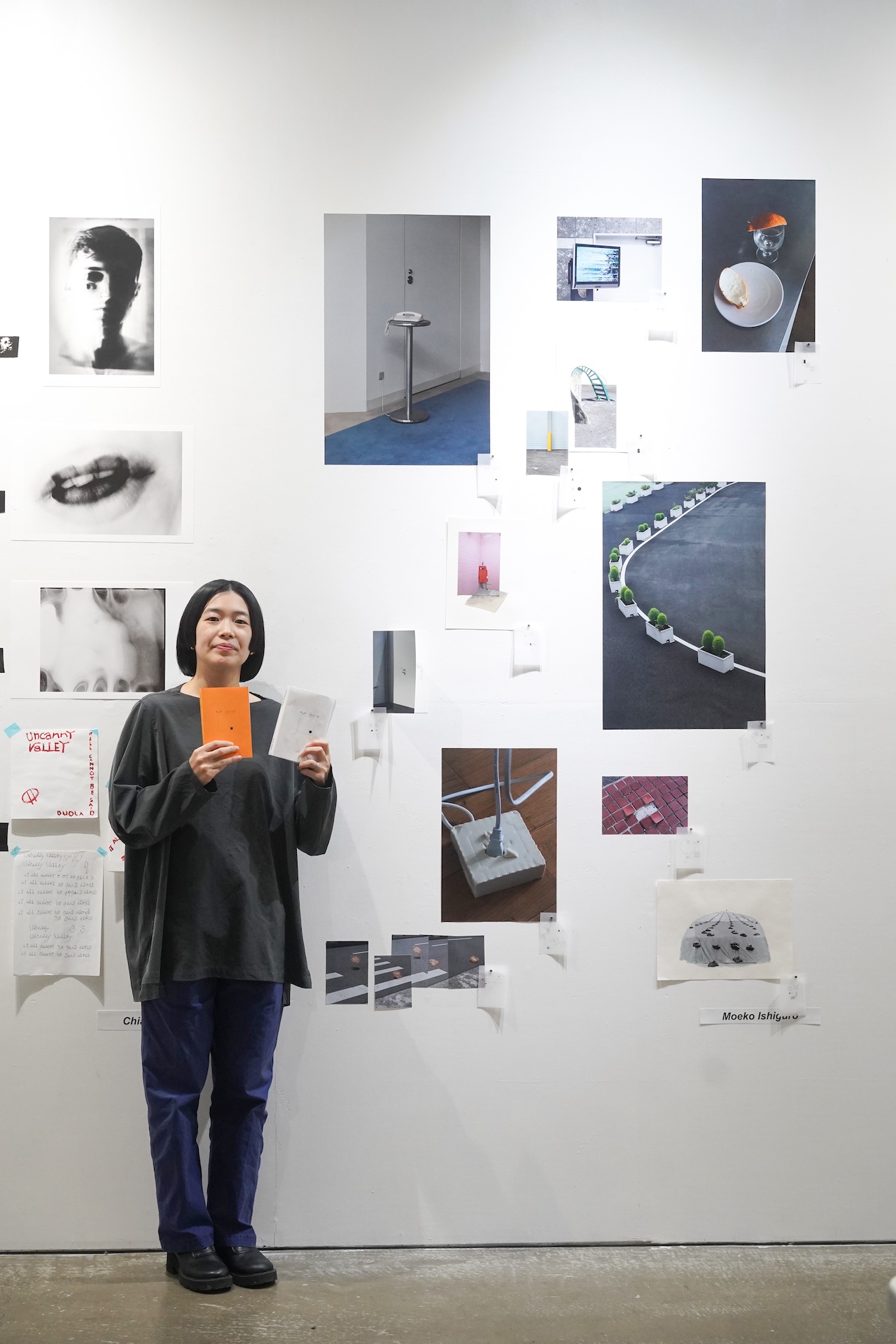
Moeko Ishiguro attempts to notate the sensations held within everyday landscapes.
Yuri Goto examines love, loneliness, choice, and consumption in the age of dating apps.
Kenji Chiga reconfigures the remnants of an exhibition, reflecting on the repetitive structures through which crime continues to be produced.
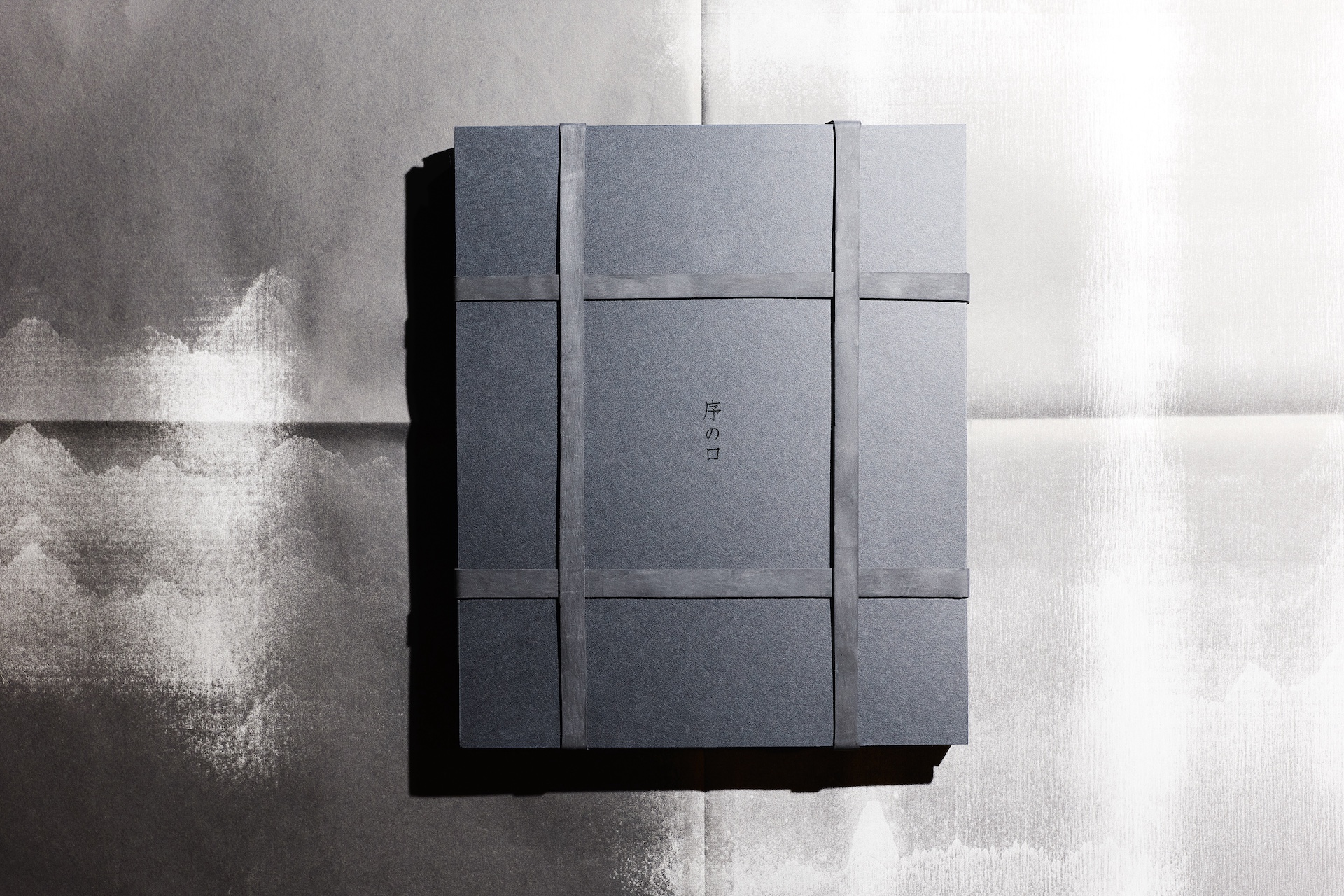
Tamaki Yoshida traces the presence of a brown bear and the unstable threshold between human territory and the wild.
Each artist approaches the book not simply as a container for images, but as a structure through which a distinct reading experience can emerge — through folds, sequences, divided volumes, paper, boxes, rolls, repetition, and systems of titling.
All four artists have developed their projects through production and dialogue at Reminders Photography Stronghold. Moderated by Yumi Goto, who has accompanied their processes, the talk will invite the artists to speak about how their ideas took shape, and how editing, structure, material decisions, and bookmaking led each work toward its final form.
This event is open to anyone interested in photobooks and artist books, as well as those curious about how photography can move beyond the image to become an object, an experience, and an act of reading.
We warmly invite you to join us.
◎ KYOTOGRAPHIE PHOTOBOOK FAIR 2026 Talk Event
◾️Saturday, May 9, 2026, 13:00–14:00
“The Artist Book as Structure”
Speakers: Moeko Ishiguro, Yuri Goto, Kenji Chiga, Tamaki Yoshida
Moderated by Yumi Goto
◾️Venue: ROHM Theatre Kyoto, Park Plaza 3F
◾️Free admission
Artists and Works
Moeko Ishiguro, “Notation(s)”
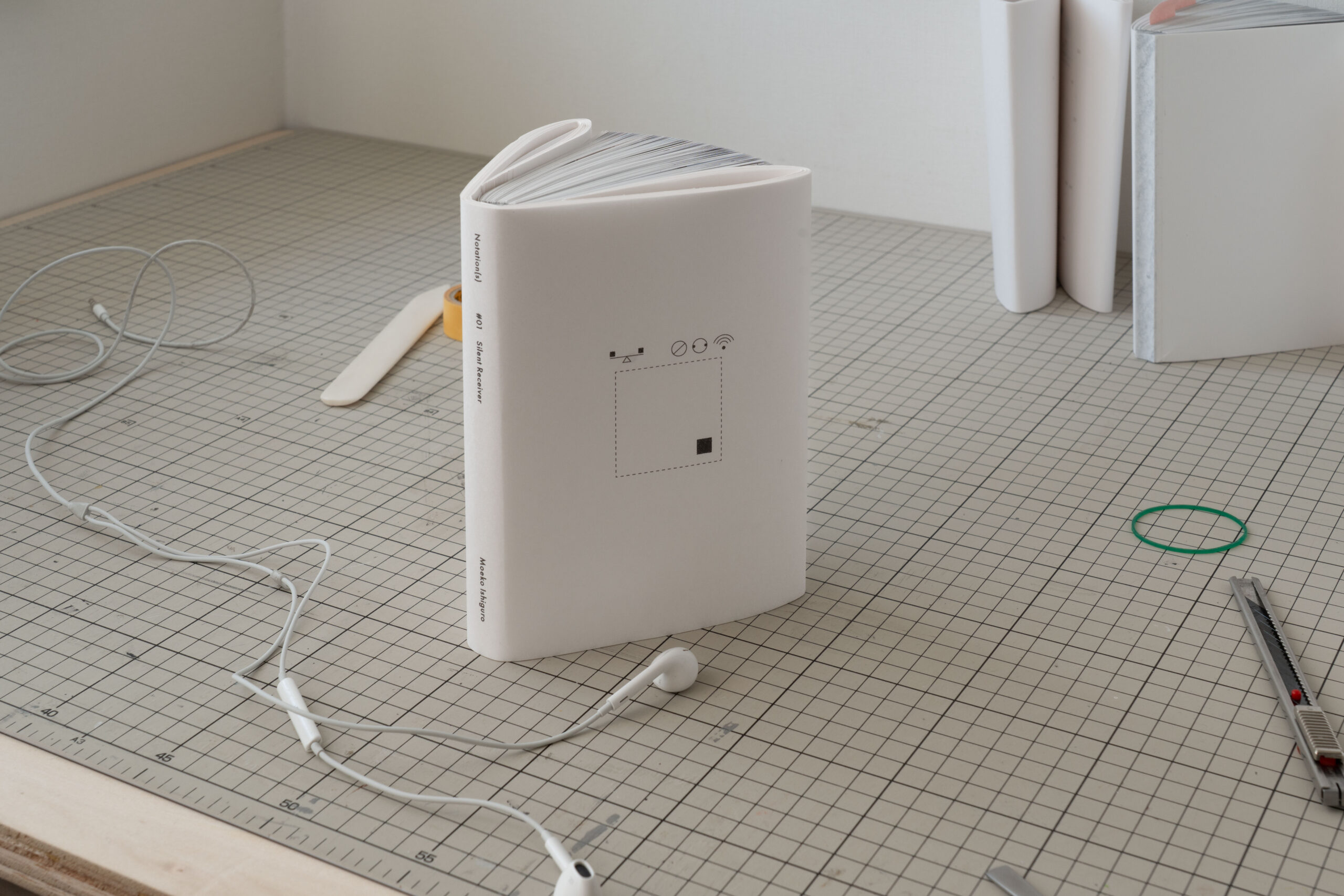
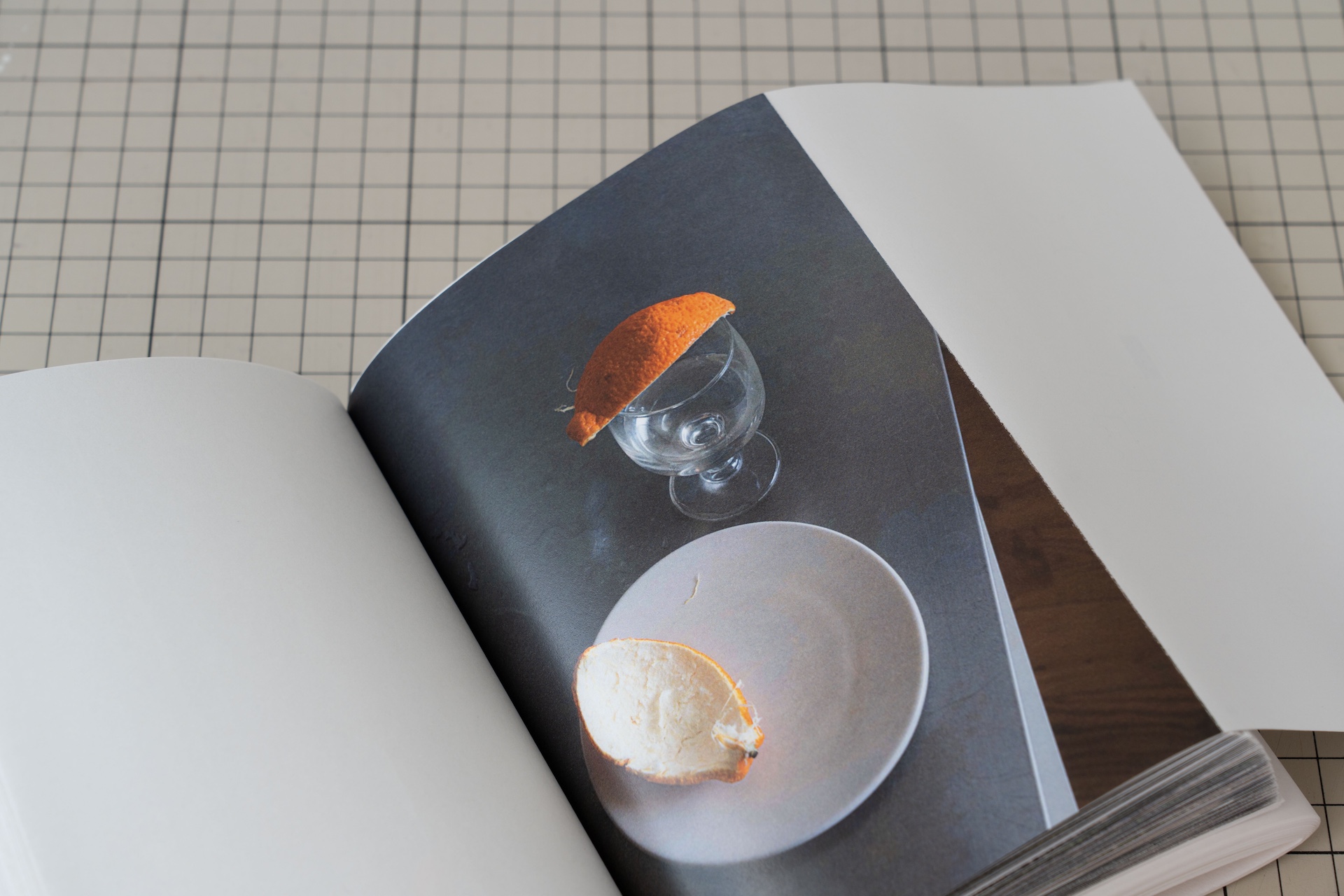
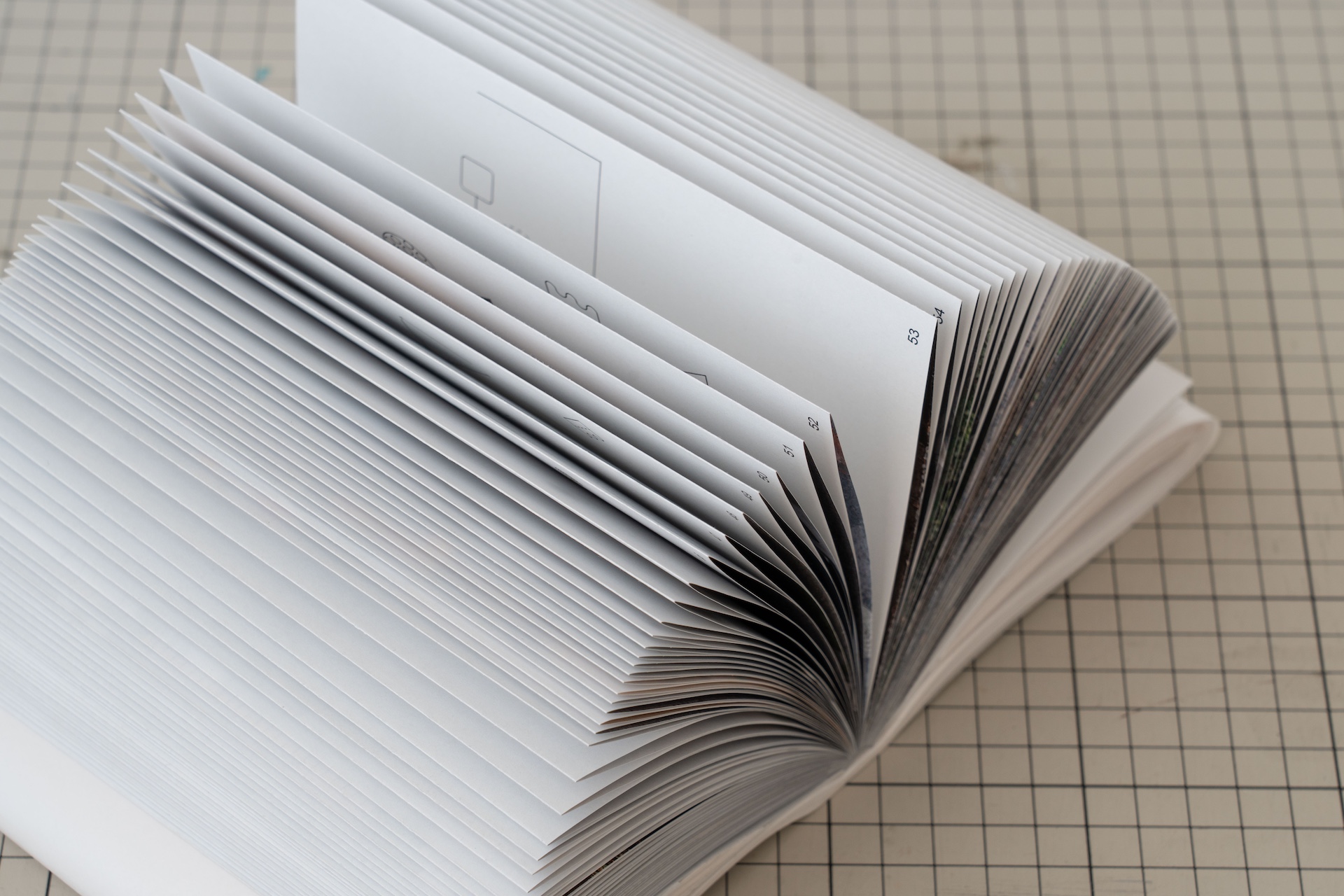
“Notation(s)” is an artist book that uses geometric forms to visually notate the sensations and imaginings the artist holds toward the landscapes she photographs in daily life. Rather than presenting the photographs immediately, the book first asks the reader to encounter a set of visual notations. Through its gatefold structure, the photographs are revealed only when the pages are opened, inviting the reader to return to the landscape from a slightly distanced perspective. Although the contents of all 100 copies are identical, each book carries a different title, offering a different point of entry into the same body of work.
Yuri Goto, “love knot”
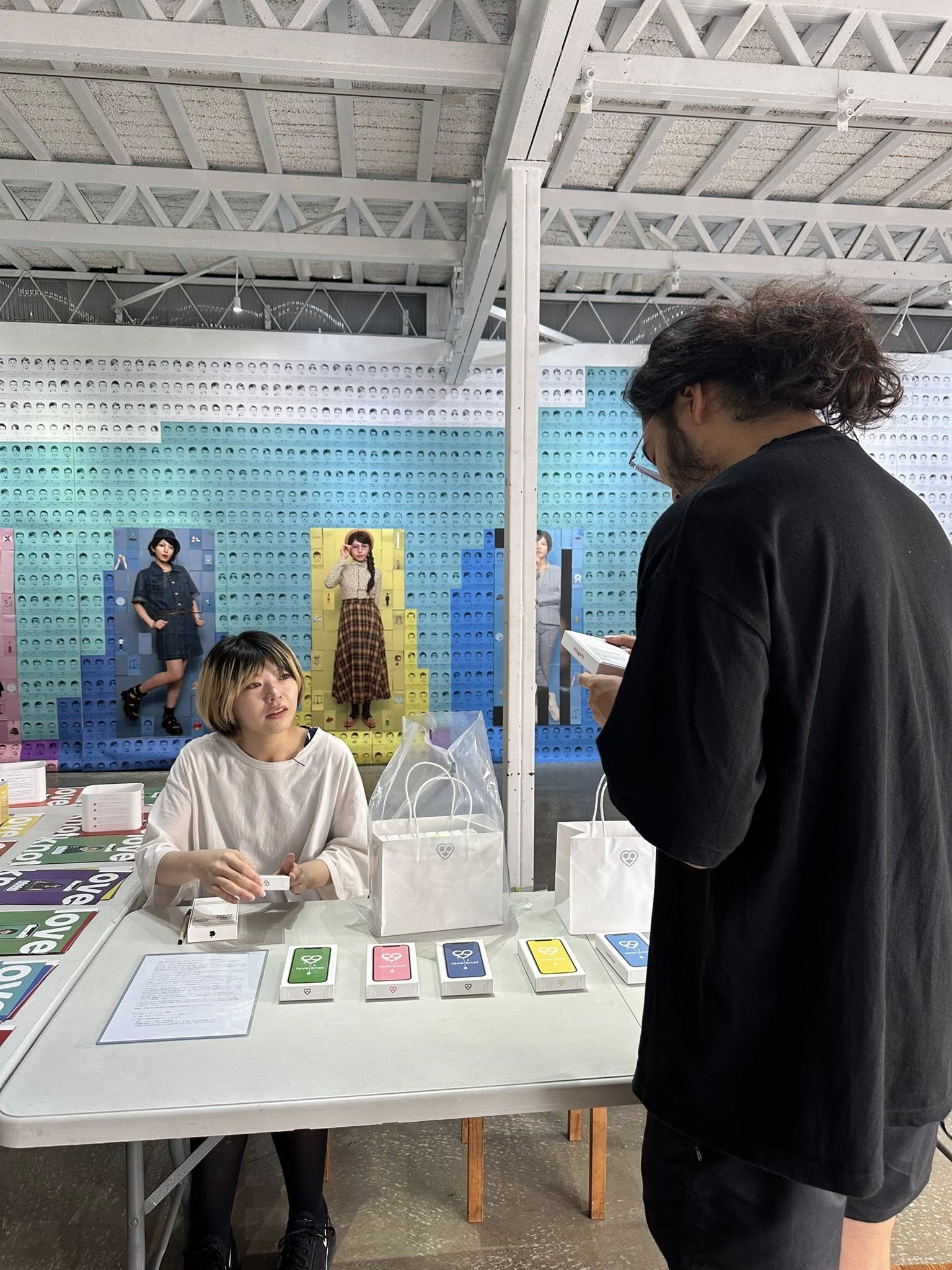
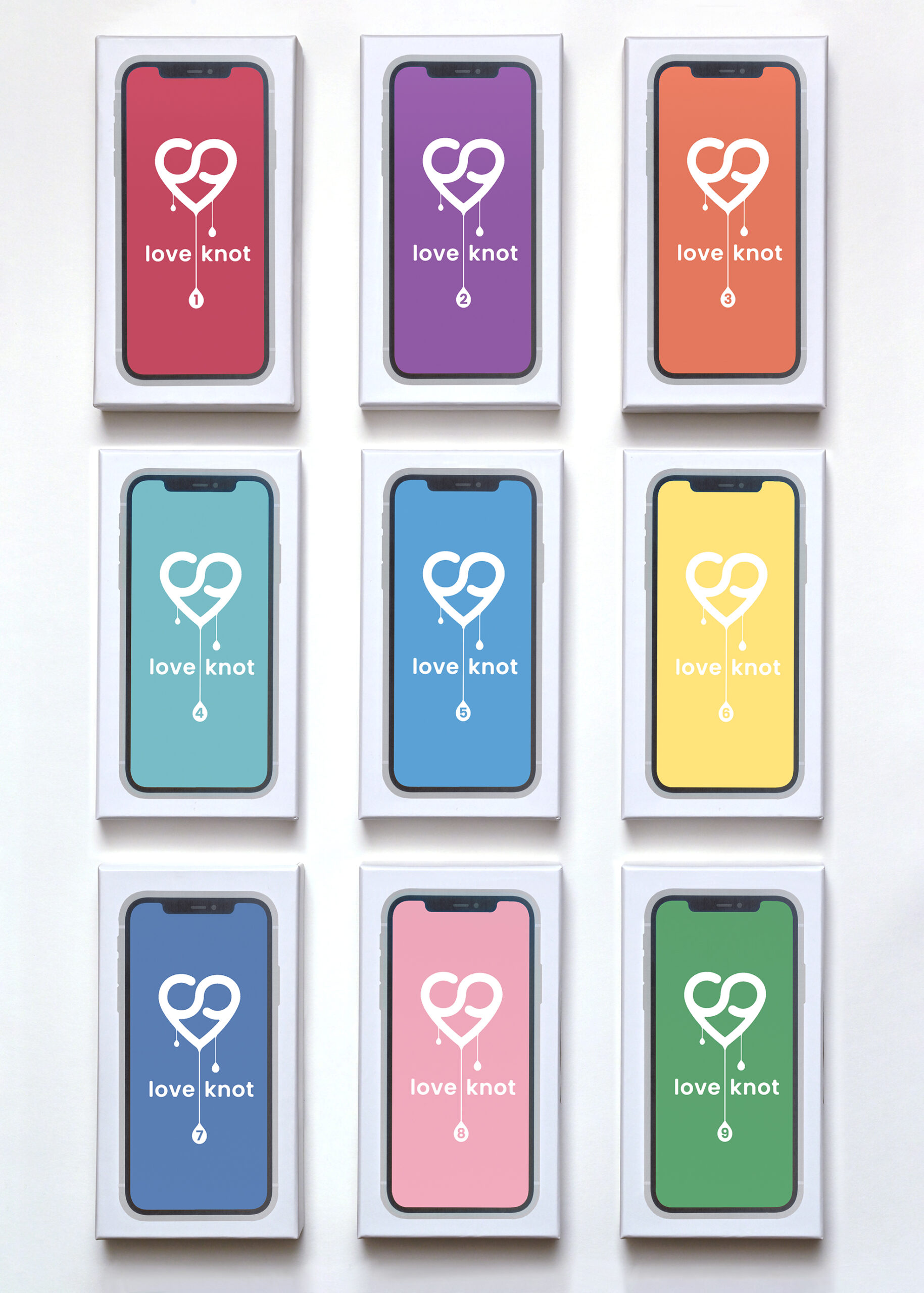
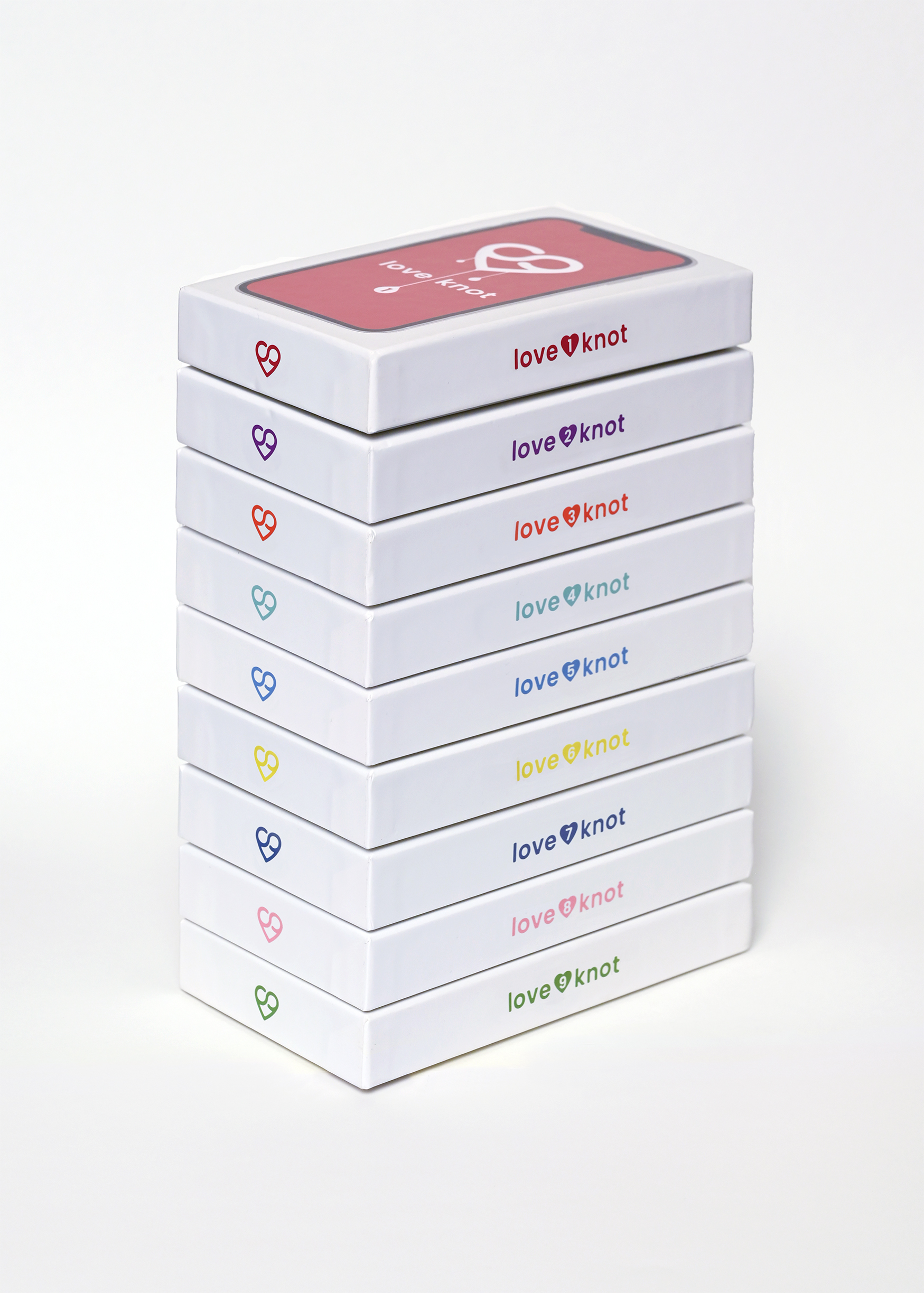
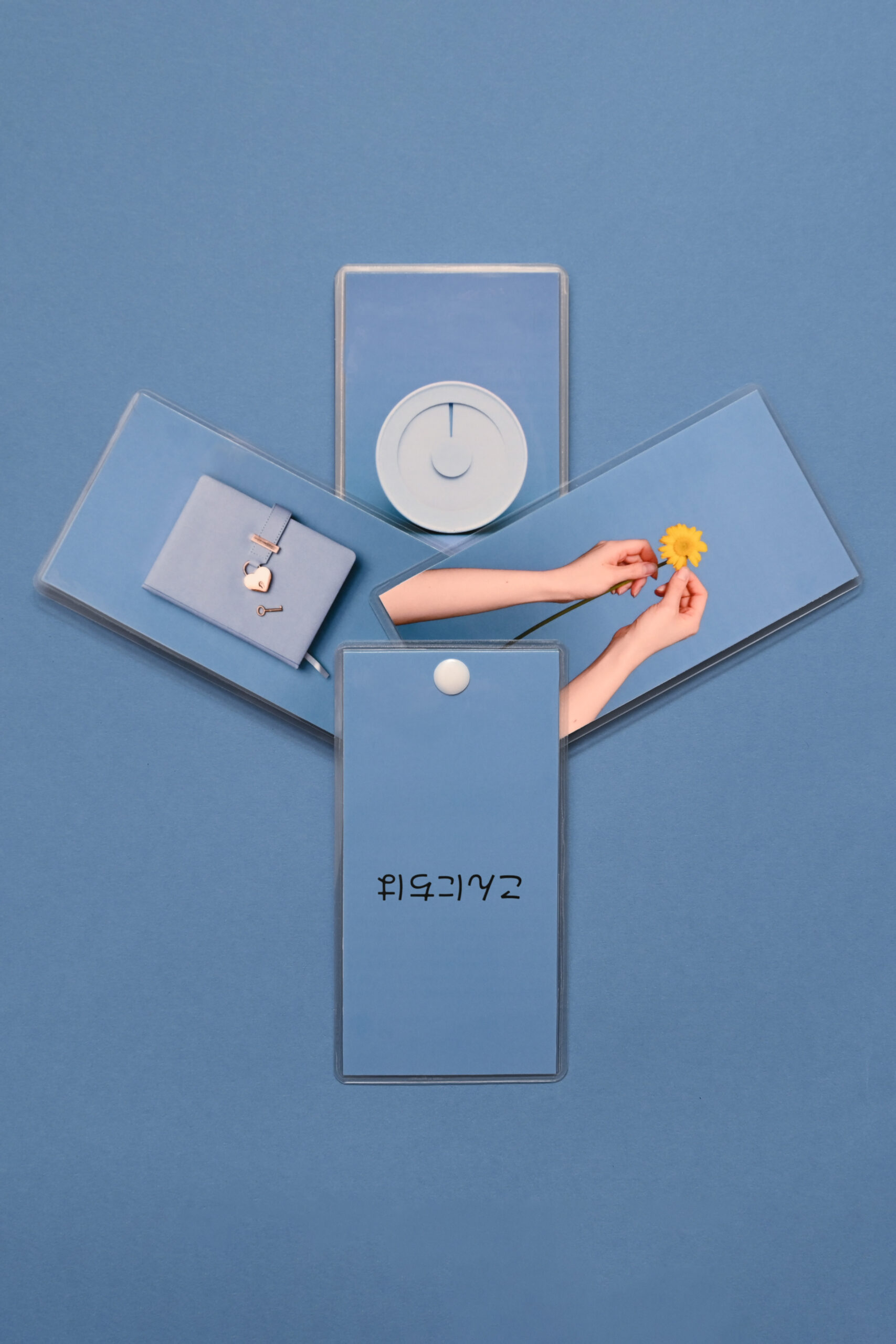
Based on the artist’s own experiences of using dating apps in response to loneliness, “love knot” reflects on how encounters, desire, choice, and intimacy are shaped in the age of app-based relationships. The work is composed of nine smartphone-shaped booklets, each corresponding to a man she met through the app. Housed in individual boxes modeled after smartphone packaging and gathered together in a shopping bag, the work turns the mechanics of swiping, selecting, and consuming into the very structure of the book. The edition is limited to 200 copies, matching the number of people the artist matched with on the app.
Kenji Chiga, “After the after all”
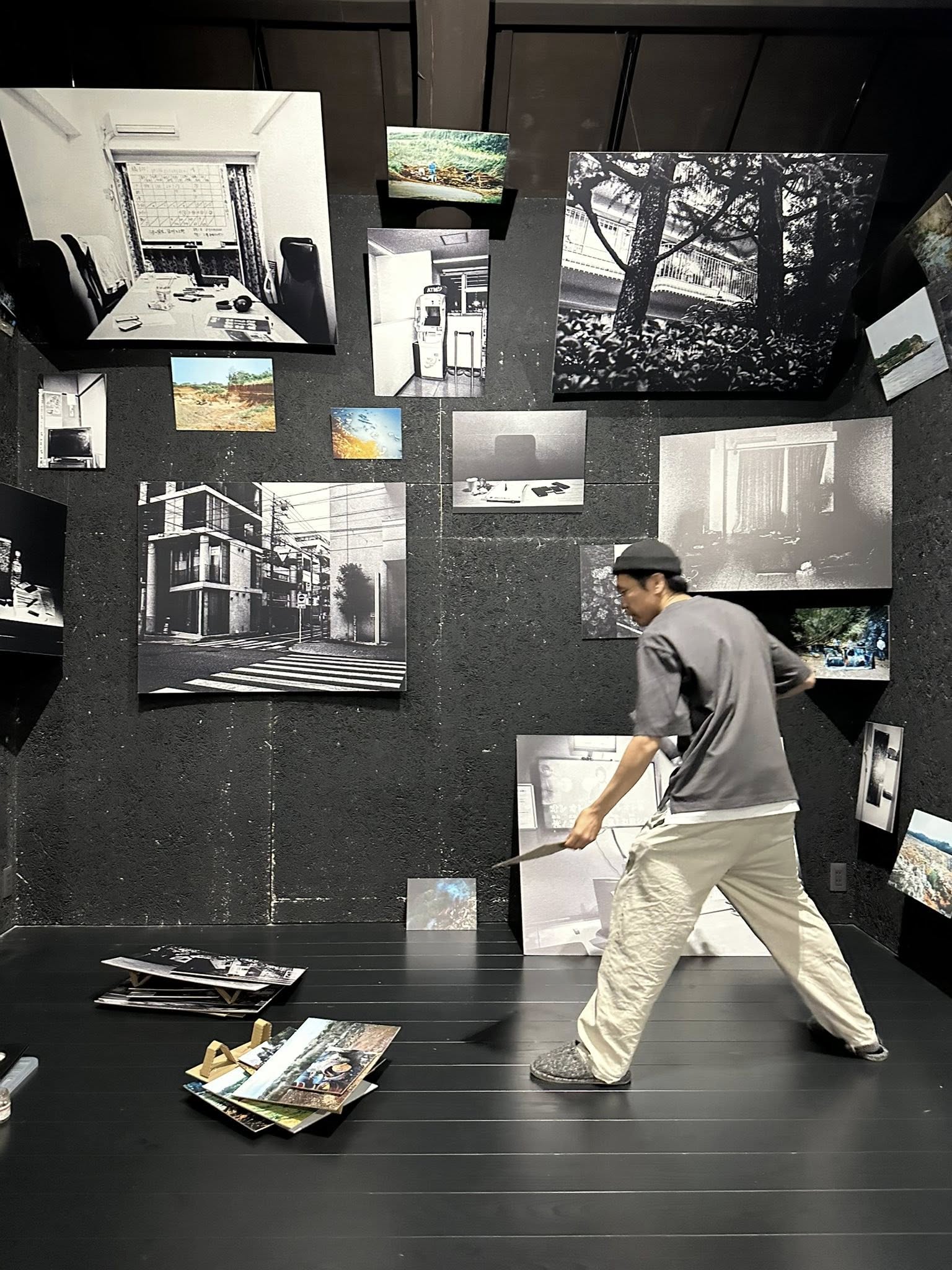
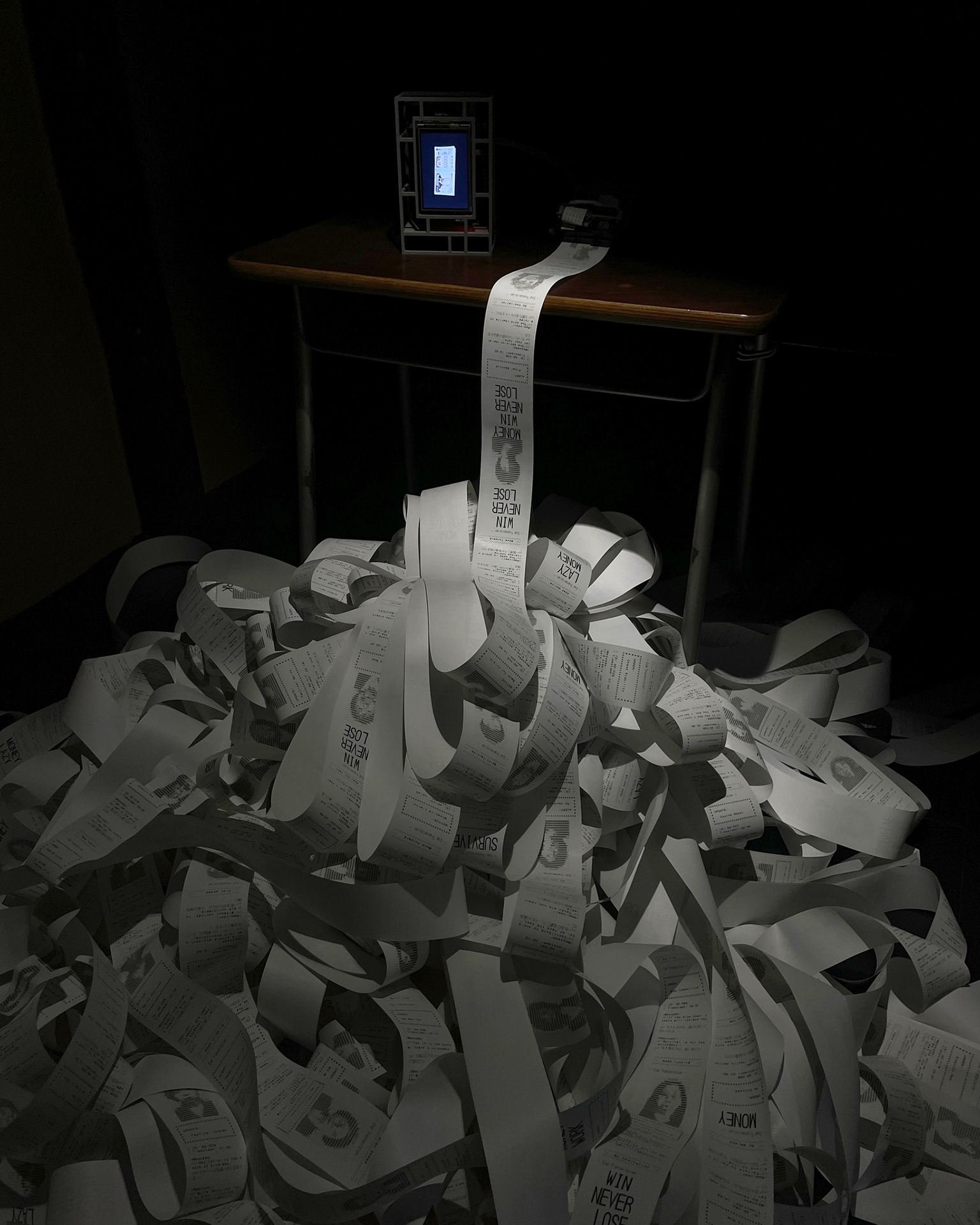
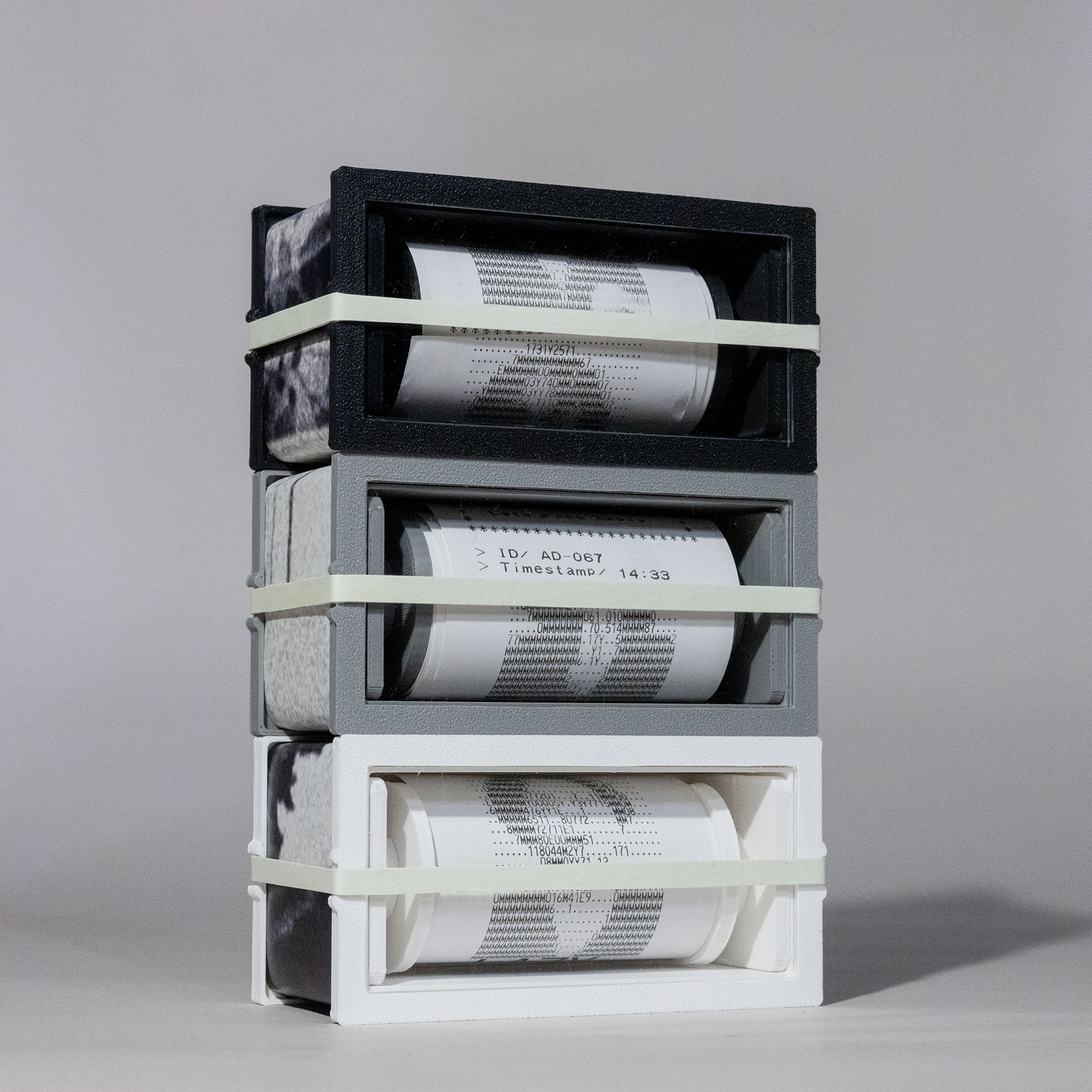
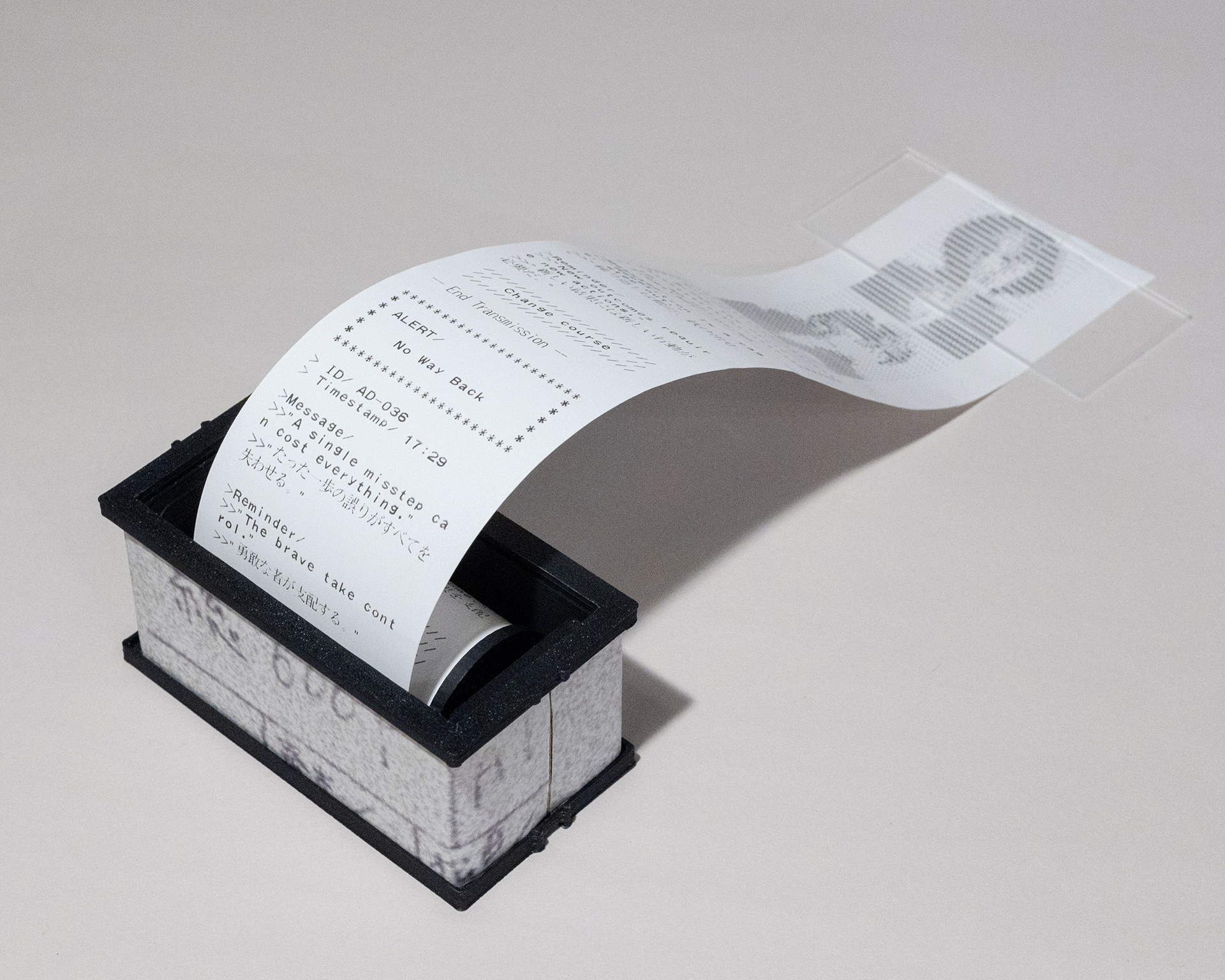
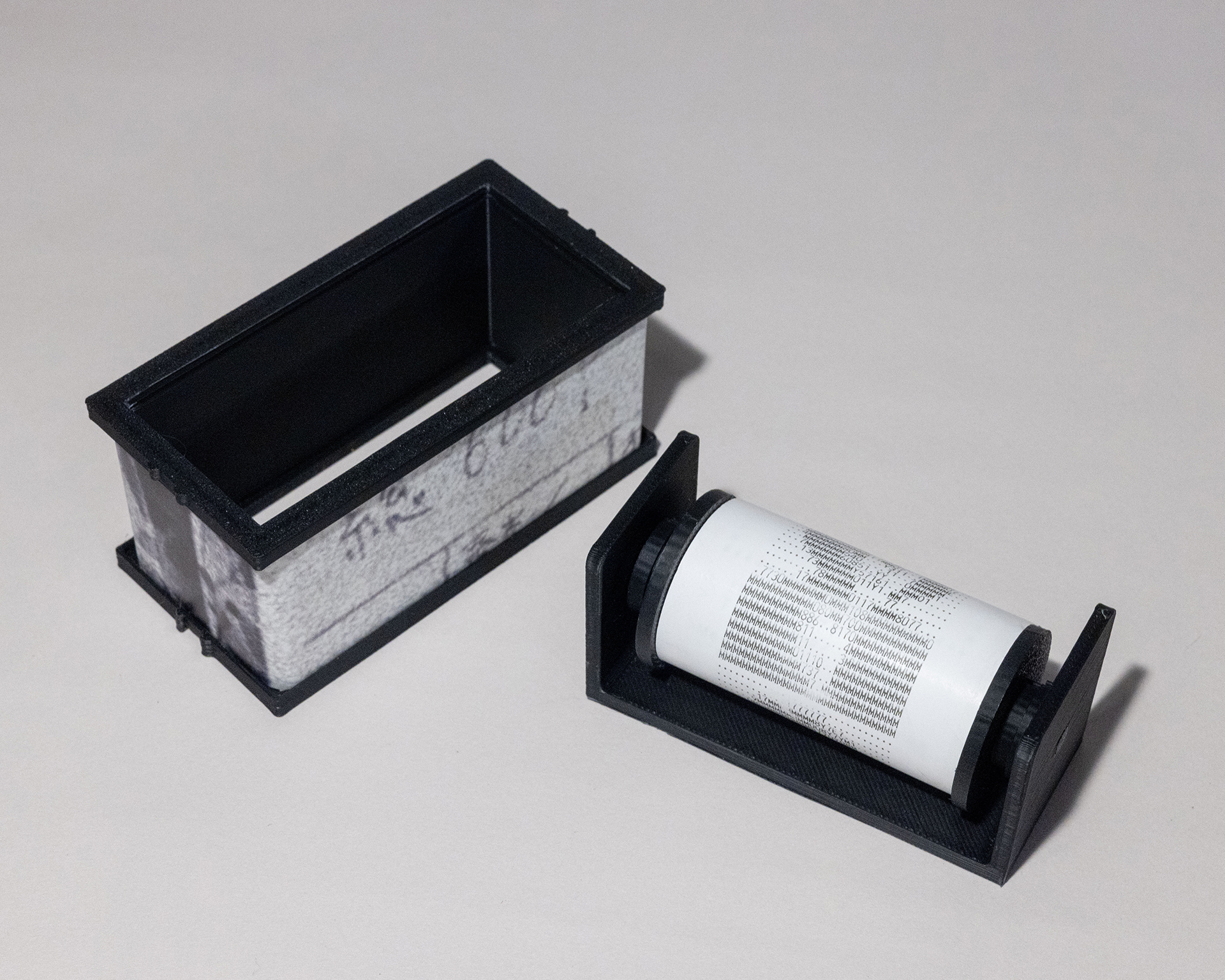
“After the after all” reassembles the materials left behind during “After all,” a two-person exhibition by Kenji Chiga and Maki Hayashida. Temporary materials from the exhibition, including thermal paper and cardboard, are reused and transformed into a small object. Echoing the phrase “after all,” the work reflects on how, even when one crime fades from view, the structures behind it remain and continue to generate new forms of violence. Fragments of cardboard that once existed as individual photographic works are cut apart and repurposed as the structure that contains the book, while the thermal paper inside carries figures and motives translated into signs. The act of pulling out and rewinding the roll becomes a quiet repetition through which our own involvement is implicated.
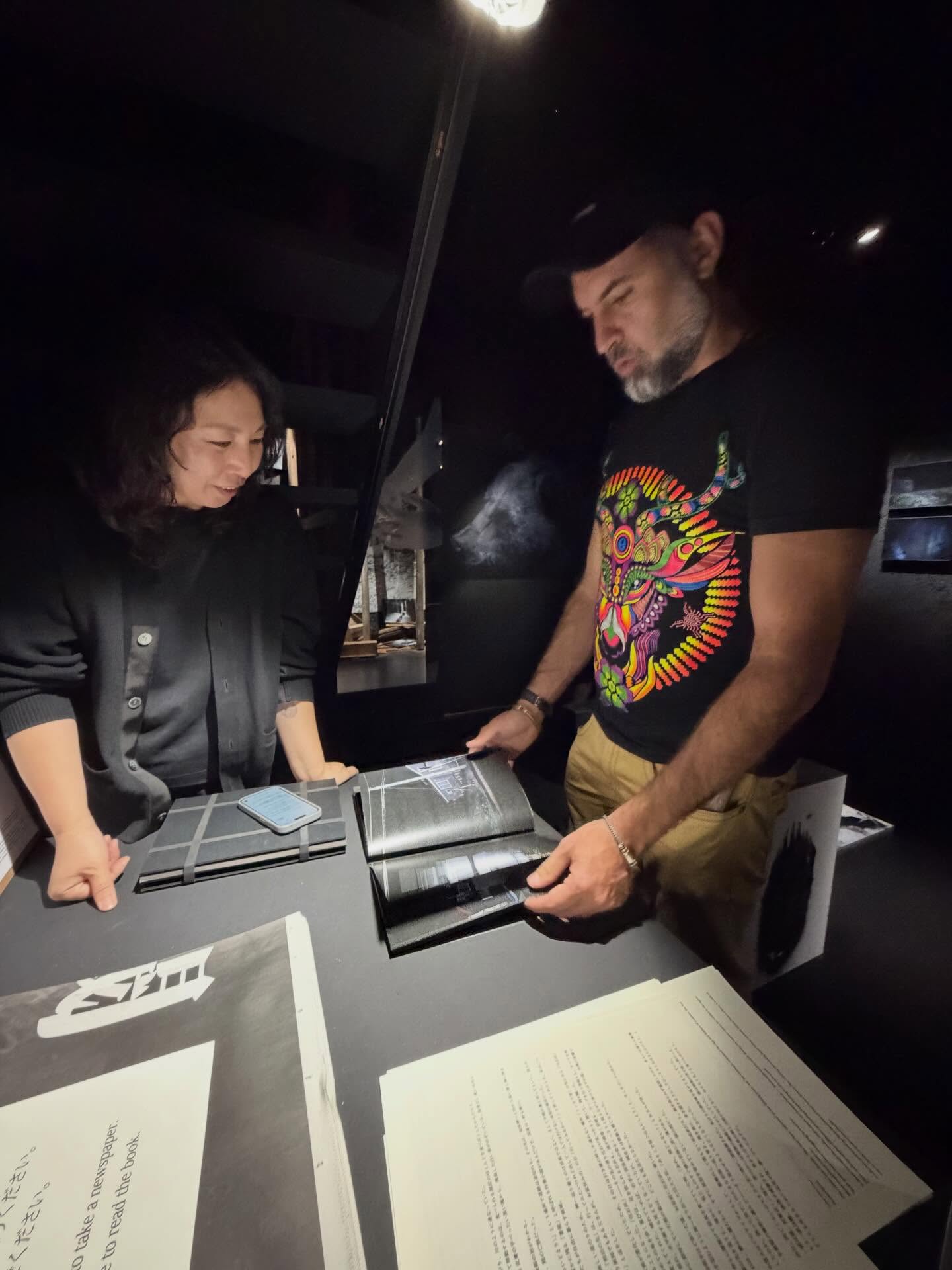
Tamaki Yoshida, “Jono Kuchi”
“Jono Kuchi” follows the traces of a brown bear in Rausu, Shiretoko, that repeatedly attacked dogs tied outside private homes over a period of four years. The incident revealed how fragile and ambiguous the boundary between human habitation and the territory of wild animals had already become. Through trail cameras installed in the mountains and fieldwork carried out at night in the town where the bear appeared, Yoshida turns her attention not to the animal’s visible body, but to its presence. What does it mean to believe that “nothing is there” in the darkness? The book is an attempt to follow the traces of a space already shared by humans and the wild, and serves as the opening chapter of a continuing project.