

Yoshikatsu Fujii’S “Five Before the Fall” NOW AVAILABLE FOR ORDER!
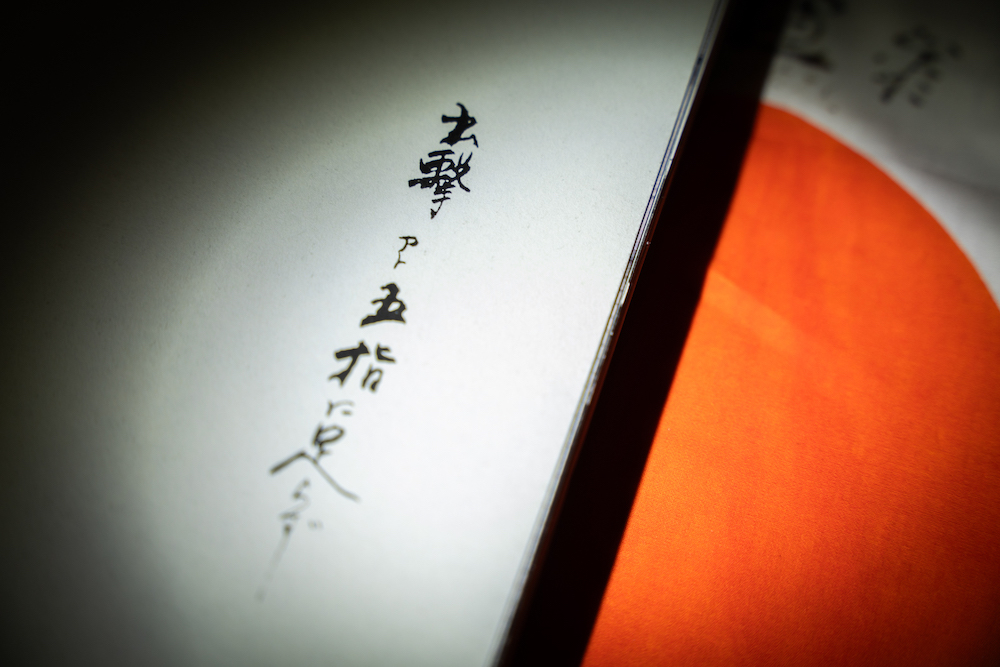
©︎Yoshikatsu Fujii / Five Before the Fall
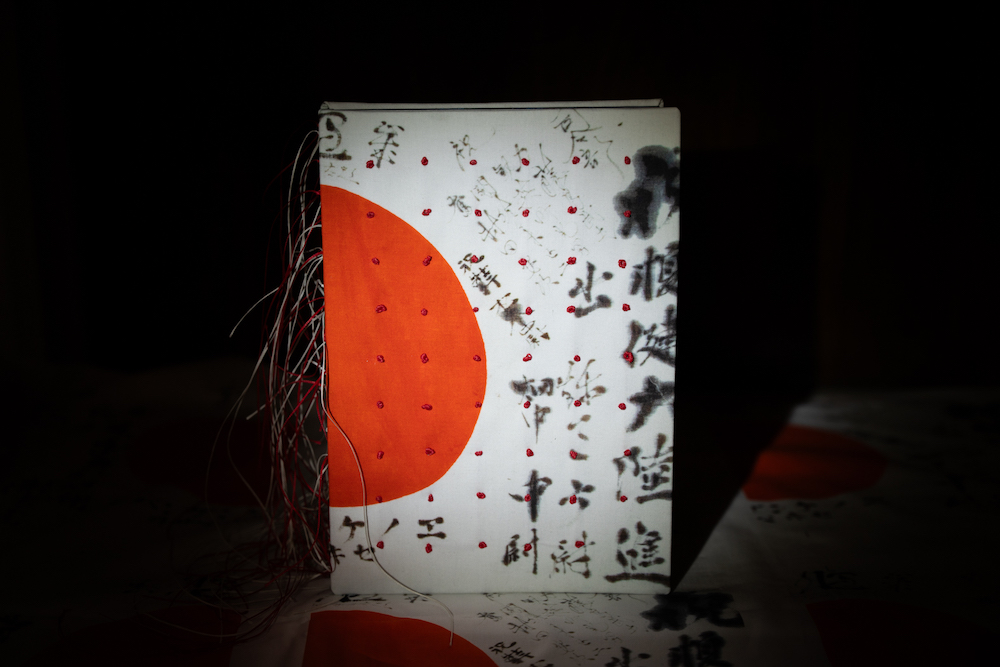
We are pleased to announce that we have begun accepting orders for Five Before the Fall, the new artist book by Yoshikatsu Fujii.
This work was created to delve deeper into the narrative that began with the 2024 exhibition Nagi, held at RPS Kyoto Paperoles, and the subsequent publication of its photobook.
The “presence of unseen memories” presented in Nagi develops in Five Before the Fall into a more fundamental and probing inquiry.
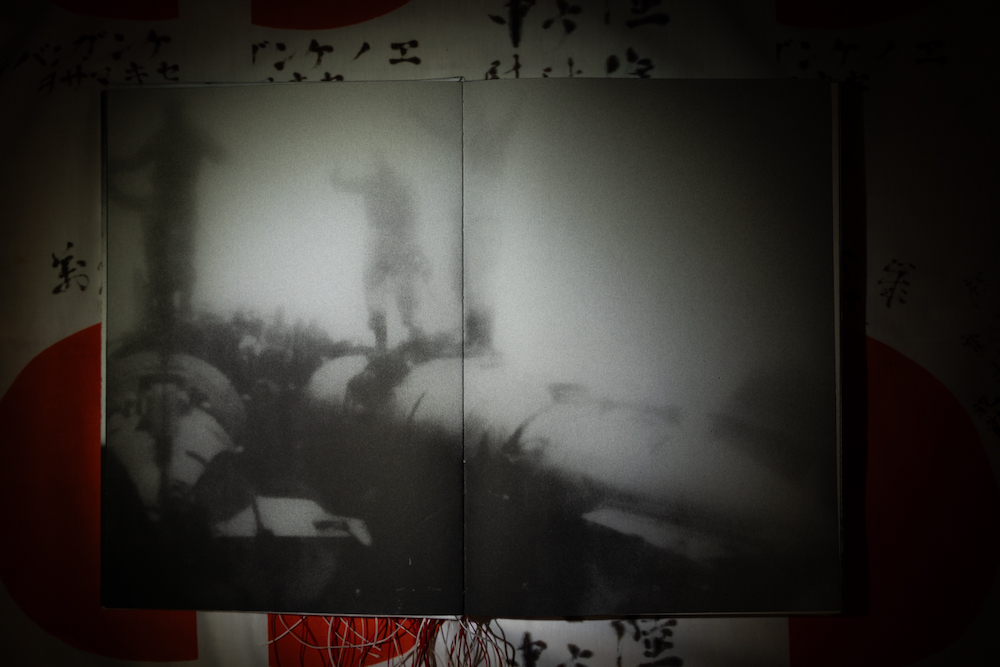
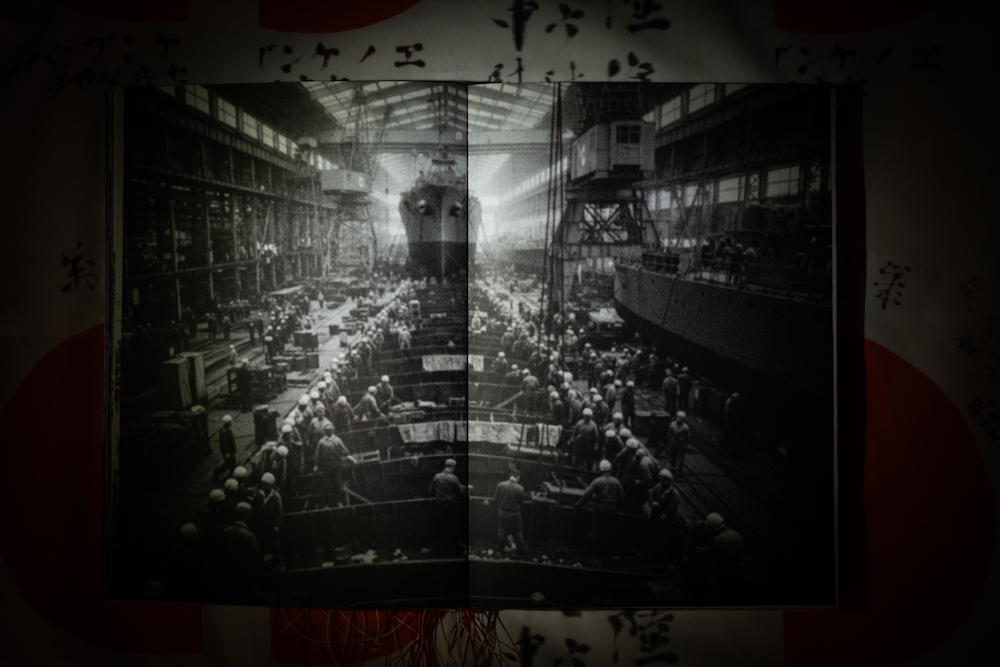
Among the memories of war my grandfather shared with me when I was a child, there was a moment when he casually mentioned the word Kaiten—the manned suicide torpedo.
Though it was only a small fragment submerged deep within my family’s history, it symbolized how the shadow of war seeps into the inner life of an individual and remains unspoken.
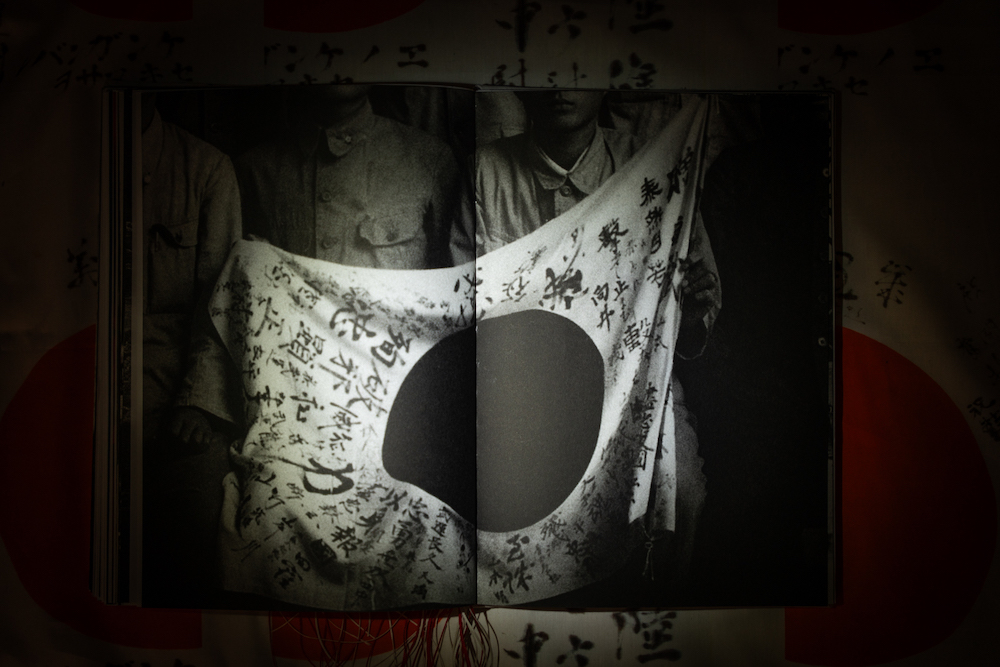
In this work, I quietly gather these fragments, documents, and testimonies, tracing them toward the core of a story that has long remained untouched.
The book will be released on December 8, the day Japan launched the attack on Pearl Harbor and entered the war.
The physical copy of this work will be unveiled for the first time at the Tokyo Art Book Fair, held from December 11 to 14.
In conjunction with this, a solo exhibition under the same title will take place from December 20 to 28, expanding the layered fragments and narratives captured in the book into a spatial experience.
“Five Before the Fall”
My grandfather once told me his war story when I was a child.
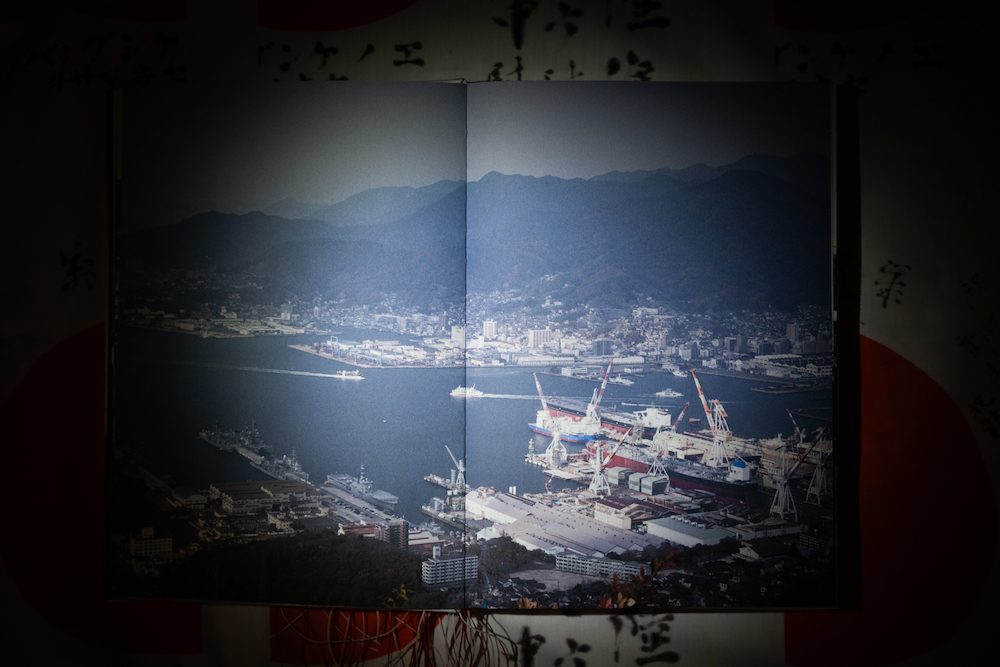
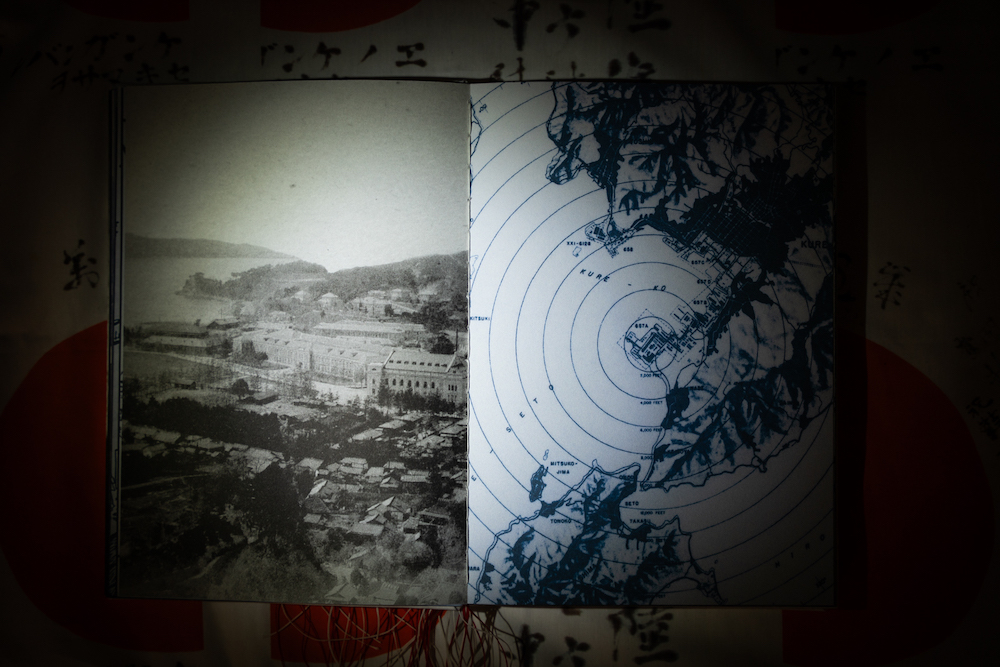
“Listen, grandpa wasn’t caught in the atomic bombing because I was in Kure, I mean, in the Navy. There, I was making human torpedoes, too,” he said. “Of course, nobody told me what they were building, but the blueprints told it all.”
As I had taken it for granted that he was deployed to a battlefront somewhere or caught in the atomic bombing, I found his story somewhat anticlimactic. Still, the image of my grandfather a little proudly telling me “I was in the Navy” remains fresh in my memory.
As a matter of fact, there is zero evidence that he was involved in manufacturing Kaiten, the manned torpedo. No one in my family has ever heard of such a story. It’s just that the words “I was making” coming out of his mouth simply stays in my mind.
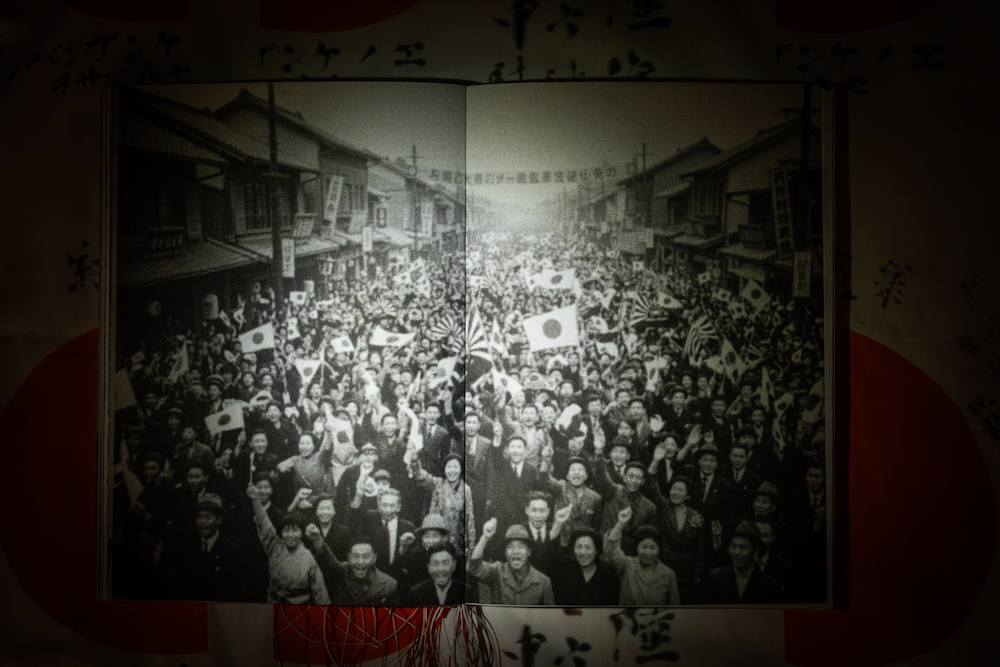
Those were the years when laying down one’s life for the country was the ultimate virtue. Ideologies of those in power and the public mindset of the day created those monstrous artifacts — suicide-mission weapons, and consequently many lives of the youth were taken.
Even after the war was over, it has been common practice to see their death as “noble sacrifices” as their stories were passed on. I get this sense of discomfort with the tone of the narrative that justifies the unbearable fact.
To start, it is crucial for us to take a hard look at and ask ourselves what made them sacrifice their lives.
In today’s Japan with the war-renouncing Constitution, it is difficult to imagine people’s sense of value in those days. Nevertheless, I have a strong desire to keep seeking an answer to the question—why did they have to die?
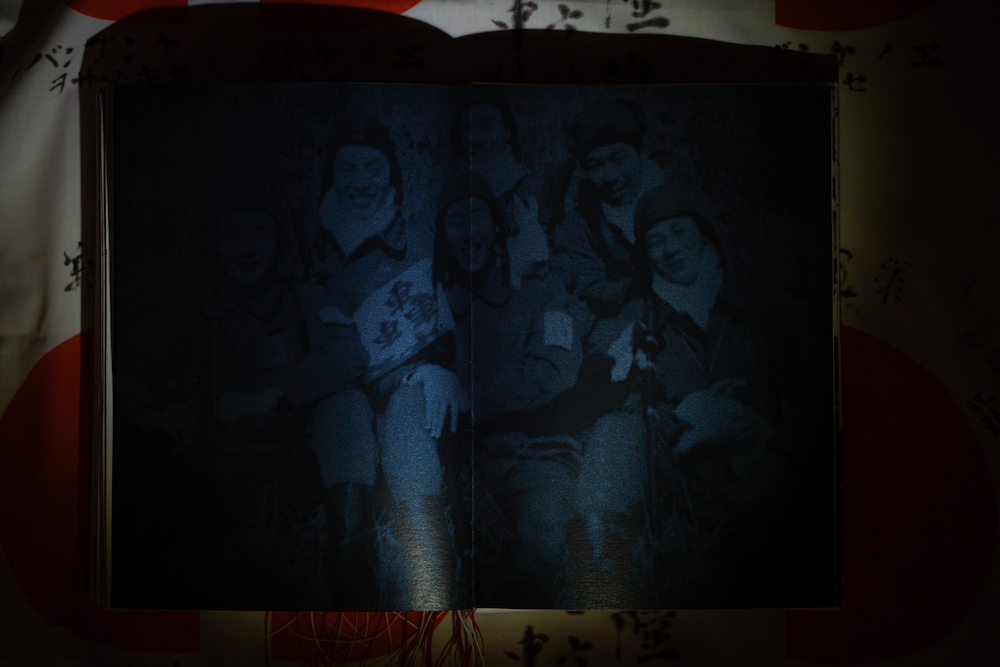
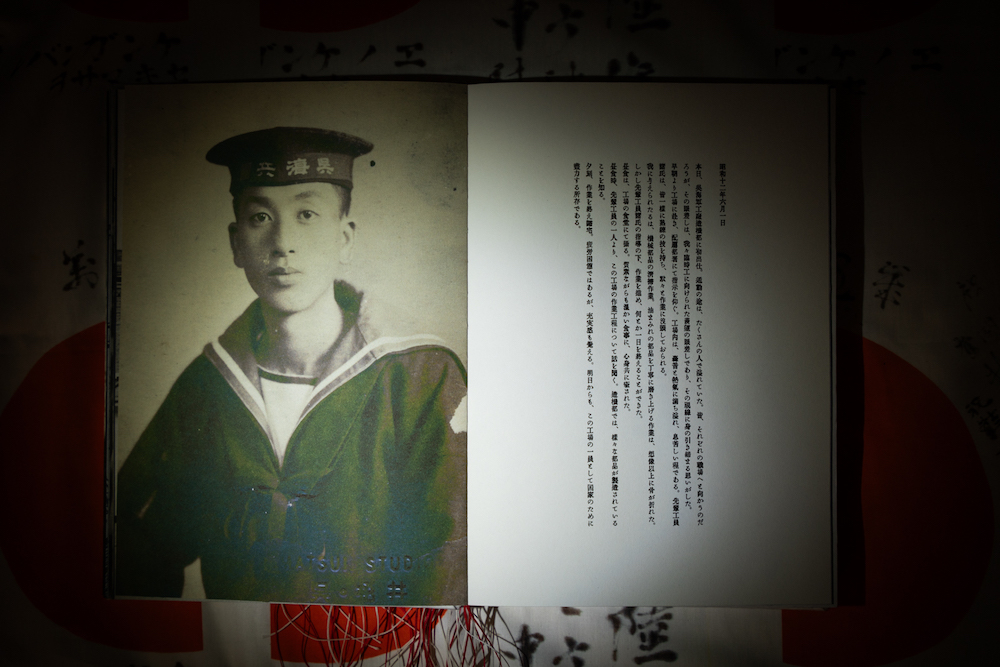
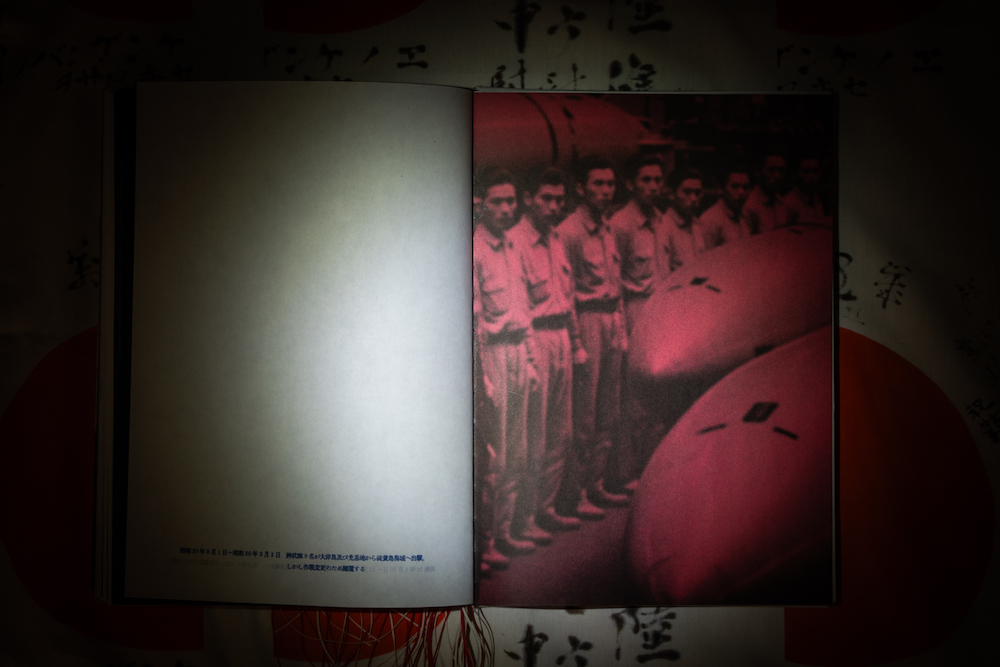
While going through records of the days, I came across a group photo of the members of a suicide-mission unit. In the photo, being aligned in neat lines, they have a big smile on their faces, which is entirely unexpected and surprising to me. I also learned that the suicide mission wasn’t something that was forced on soldiers; rather, they volunteered to carry out the suicide mission. However, that “free will” was in name only; it can be easily imagined that quite a few of them had no choice but to volunteer under invisible pressure. It gives me cold shivers just thinking of how they were really feeling inside behind those smiles.
On the flip side, my grandfather might have been on the “making” end of those horrific weapons. What was on his mind while working on them? What kind of resolve did he have? Perhaps, he may simply have been just doing as he was ordered. Maybe, embroiled in the war, people did not fully grasp the real significance of the death of someone. Even so, why did he tell the story only to me, and not to anyone else in the family? Now that he is long gone, I have no way of knowing the truth.
The memory of the war passed to me by my grandfather himself and those smiling faces of the young soldiers on the suicide-mission captured in a photo are not just bygones simply to be left alone and written off; they are posing questions to us living today. We can truly connect ourselves with the past only by looking hard at the reasons behind oh-so-many sacrifices, keeping reflecting on it, and taking a pledge not to repeat the same mistake ever again. That’s the memory we should quietly engrave in our heart. That’s what I believe.
Text by Yoshikatsu Fujii
“Five Before the Fall” – Artist Book Overview
・Edition: Limited to 80 copies (each signed and numbered)
・Photography, Text, Design, Editing: Yoshikatsu Fujii
・Editorial Support & Project Planning: Yumi Goto (Reminders Photography Stronghold)
・English Translation: Orine (Shintani) Ogiso
・Size: 185mm × 265mm × 40mm
・Pages: 318 pages
・Weight: approx. 990g
・Language: Available in either Japanese or English
・Price: ¥44,000 (tax included, shipping not included)
⚠ Important Notes
Your order will be confirmed once payment has been received.
Due to the substantial production time required for each copy, completion may take up to six months. Once your order has been placed, I will inform you of the estimated delivery schedule.
Unless otherwise requested, we do not send a shipping notification.
If payment cannot be confirmed within a certain period, the order will be automatically canceled.
Delivery will be made via courier service.
Alternatively, you can place your order via email at photobook@reminders-project.org
To proceed with your purchase, please use the PayPal checkout provided below.
©︎Yoshikatsu Fujii / Five Before the Fall
©︎Yoshikatsu Fujii / Five Before the Fall
©︎Yoshikatsu Fujii / Five Before the Fall
©︎Yoshikatsu Fujii / Five Before the Fall
©︎Yoshikatsu Fujii / Five Before the Fall
©︎Yoshikatsu Fujii / Five Before the Fall
©︎Yoshikatsu Fujii / Five Before the Fall
©︎Yoshikatsu Fujii / Five Before the Fall
©︎Yoshikatsu Fujii / Five Before the Fall
©︎Yoshikatsu Fujii / Five Before the Fall
©︎Yoshikatsu Fujii / Five Before the Fall
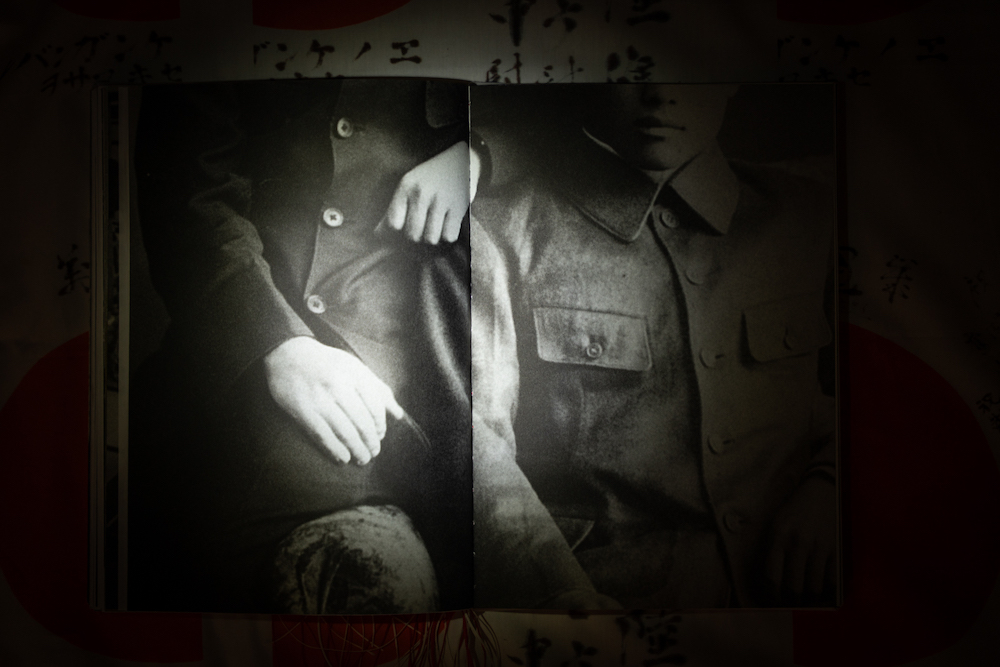
©︎Yoshikatsu Fujii / Five Before the Fall